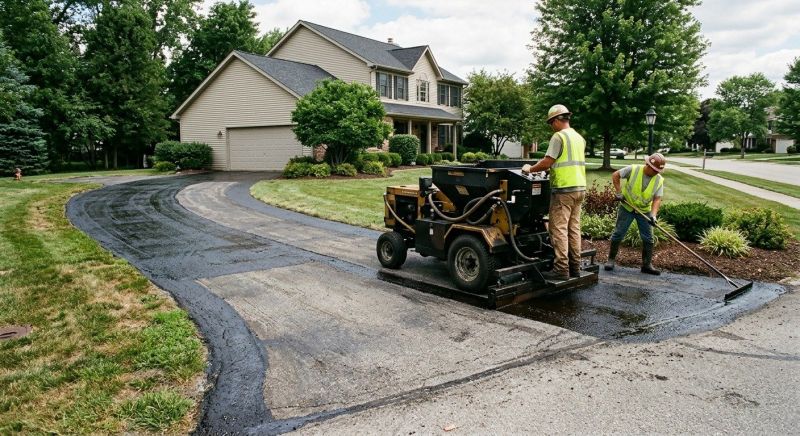
Driveway Slurry Sealing in San Antonio, TX
Driveway slurry sealing is a protective coating process that involves applying a mixture of fine aggregate, cement, and water over existing asphalt or concrete surfaces. This service helps to restore the appearance of driveways, improve durability, and provide a barrier against water penetration, oil spills, and other common stains. It is suitable for a variety of projects, including residential driveways, parking areas, and pathways, helping to extend the lifespan of the surface while enhancing curb appeal.
Homeowners interested in driveway slurry sealing should understand that the process is most effective when the existing surface is clean, free of cracks, and in good condition. It is typically requested after initial paving or repairs to maintain the integrity of the driveway. Property owners often want to know about the preparation required before sealing, the expected appearance afterward, and how often the coating should be reapplied to keep the driveway protected and looking its best.
Many property owners in San Antonio, TX look into Driveway Slurry Sealing for repairs, replacements, upgrades, and appearance-related improvements.
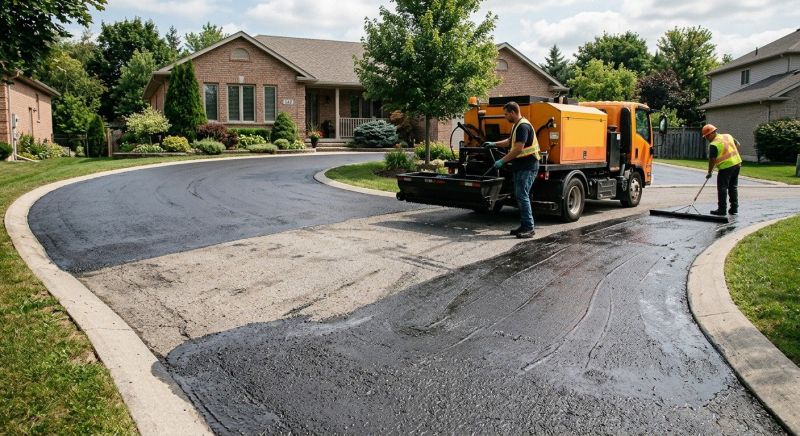
Enhanced Driveway Durability
Sealing your driveway helps protect against cracks and surface damage caused by daily wear and weather.
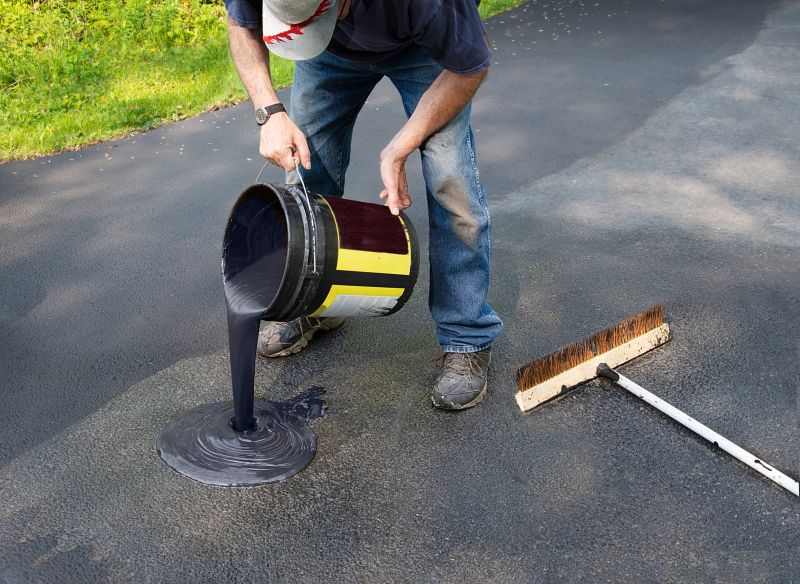
Improved Curb Appeal
A freshly sealed driveway can boost the overall look of your property in san antonio, tx.
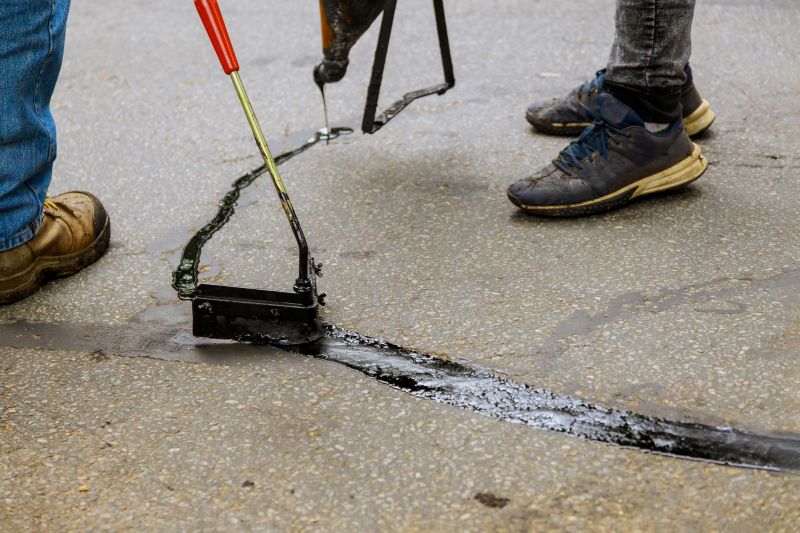
Maintenance And Longevity
Regular slurry sealing extends the lifespan of driveways by providing a protective barrier against stains and erosion.
Driveway Slurry Sealing in San Antonio, TX
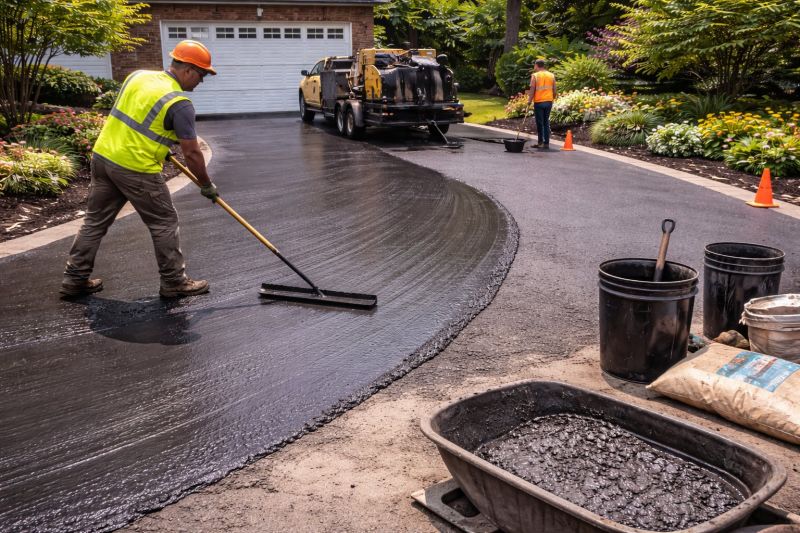
Driveway slurry sealing is a protective coating process that involves applying a mixture of fine aggregate, cement, and water over existing asphalt or concrete surfaces. This service helps to restore the appearance of driveways, improve durability, and provide a barrier against water penetration, oil spills, and other common stains. It is suitable for a variety of projects, including residential driveways, parking areas, and pathways, helping to extend the lifespan of the surface while enhancing curb appeal.
Homeowners interested in driveway slurry sealing should understand that the process is most effective when the existing surface is clean, free of cracks, and in good condition. It is typically requested after initial paving or repairs to maintain the integrity of the driveway. Property owners often want to know about the preparation required before sealing, the expected appearance afterward, and how often the coating should be reapplied to keep the driveway protected and looking its best.
Many property owners in San Antonio, TX look into Driveway Slurry Sealing for repairs, replacements, upgrades, and appearance-related improvements.
Common Driveway Slurry Sealing Jobs
Driveway Slurry Sealing - Protects asphalt surfaces from water penetration and UV damage.
Residential Driveways - Enhances curb appeal and extends the lifespan of home driveways.
Commercial Parking Areas - Provides a durable, professional finish for business parking lots.
Cracked or Worn Asphalt - Sealing helps to prevent further deterioration and costly repairs.
New Asphalt Surfaces - Sealing can be applied soon after installation to improve longevity.
Heavy Traffic Areas - Adds a protective layer to withstand frequent vehicle use and weather exposure.
Driveway Slurry Sealing Questions
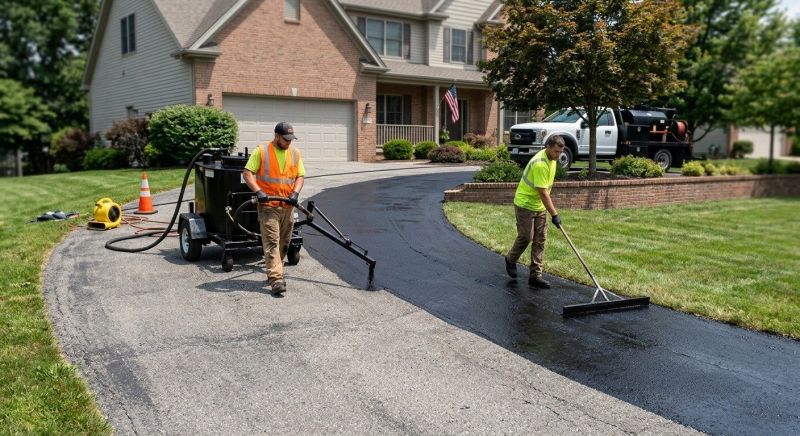
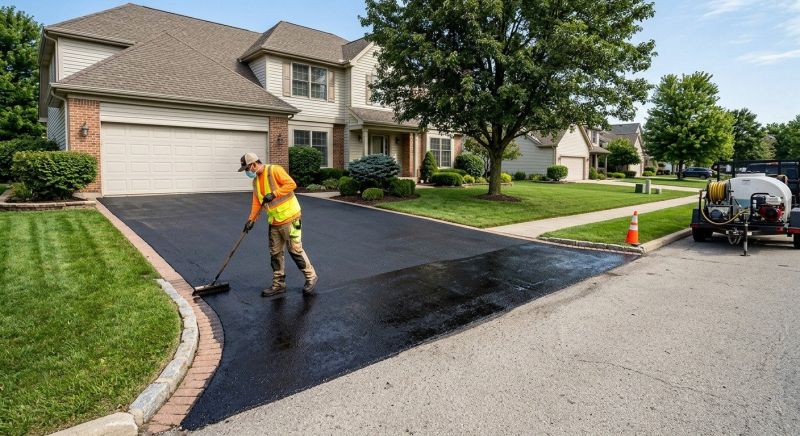
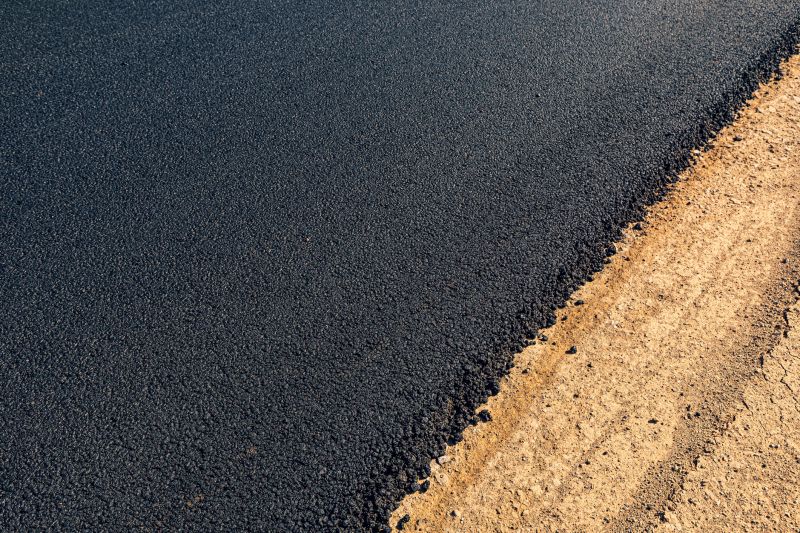
What is driveway slurry sealing? It is a protective coating applied to asphalt driveways to enhance durability and appearance.
What types of driveway surfaces can be sealed? Typically, asphalt driveways are suitable for slurry sealing to protect against wear and weathering.
How does slurry sealing benefit a driveway? It helps prevent cracks, reduces surface deterioration, and extends the lifespan of the driveway surface.
Is slurry sealing a maintenance requirement? Yes, periodic sealing helps maintain the driveway’s condition and appearance over time.
Request Driveway Slurry Sealing in San Antonio, TX
Use the quote form on this page to share the basics of your project and request more information for the type of work you need.